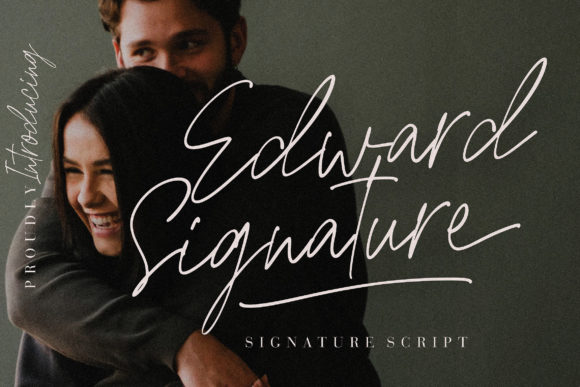
Edward Signature: Elevating Handmade Design with Timeless Script Elegance
I was sitting at my desk, staring at a half-finished candle label mockup on my screen. The font I’d used felt too generic, too forgettable. I wanted something that whispered sophistication without shouting luxury. That’s when I opened up my font library and rediscovered Edward Signature—a script font that feels like a warm, confident signature on every handmade product.
Edward Signature is more than just a font. It’s a design companion for makers who want to infuse elegance into their creations. Inspired by classic calligraphy, it balances delicate curves with modern readability. It’s not too thin, not too thick—just the right weight to stand out on product tags, greeting cards, or digital printables without overwhelming the design.
I first used Edward Signature for a set of custom wedding invitations. The client wanted something timeless but not overly traditional. I paired the font with a clean sans serif for the body text and let Edward Signature shine in the couple’s names and event title. The result was refined, romantic, and effortlessly legible—perfect for both digital save-the-dates and printed ceremony programs.
Bringing Edward Signature to Life on Real Products
One of the joys of working with this font is how well it adapts across materials. I tested it on sticker sheets for a seasonal planner pack, and even at small sizes, it maintained its charm. When I laser-cut boutique tags for a local candle maker, Edward Signature held up beautifully, lending a boutique-level finish to every label.
It’s also a favorite for greeting cards. I recently designed a line of minimalist birthday cards, using Edward Signature for the front cover text. The font’s slight bounce and consistent spacing gave each card a personal, hand-lettered feel without the inconsistency of actual handwriting. Customers loved the subtle sophistication, and I found it easy to adjust for both digital and print formats.
Perfect for Packaging, Invitations, and Seasonal Crafts
When designing boutique packaging, font choice can make or break the brand perception. I used Edward Signature on a custom coffee bag label, and it elevated the product from average to artisan. The same goes for tote bags and mugs—wherever a name or short phrase is needed, this font adds just the right amount of flair without sacrificing clarity.
For seasonal products like holiday tags or Valentine’s Day cards, Edward Signature brings warmth and elegance. I printed a set of farmhouse-style signs using this font for a local market vendor, and they sold out within a week. The font’s clean lines and elegant swashes made each sign feel unique, even though they were all part of a cohesive collection.
How Edward Signature Enhances Branding and Customer Appeal
Consistency is key in branding, and Edward Signature has become a go-to typeface in my shop’s visual identity. From product labels to social media graphics, using the same font across touchpoints helps customers recognize my work instantly. It also adds a layer of perceived quality—people see a clean, elegant font and assume the product inside is just as thoughtfully made.
Its emotional appeal shouldn’t be overlooked either. Script fonts like Edward Signature evoke a sense of warmth, trust, and creativity. Whether it’s used on a wedding welcome board or a downloadable wall art print, it invites connection and appreciation. It's not just about aesthetics—it’s about how the font makes people feel.
Best Use Cases for Edward Signature
While Edward Signature shines in short-form text—like names, titles, or decorative phrases—it’s not ideal for long paragraphs. It works beautifully as a display font for headlines, quotes, and branding elements. I often use it for:
- Candle and product labels
- Wedding stationery and thank-you cards
- Printable wall art and digital quotes
- Seasonal tags and holiday cards
- Boutique packaging and gift tags
When designing for cutting machines like Cricut or Silhouette, I make sure to adjust the spacing slightly to prevent overlapping strokes. For small stickers, I avoid using the swash versions unless the size allows for detail. The font’s alternate characters and ligatures are a nice touch for personalized items like name tags or custom mugs.
Pairing Edward Signature with Other Fonts
One of my favorite design techniques is font pairing, and Edward Signature plays well with others. I often combine it with a simple sans serif like Montserrat or Lato for body text. For a more vintage look, I’ll pair it with a soft serif like Playfair Display. When designing digital templates or SVG files, I test multiple pairings to ensure readability and visual harmony.
If you’re using Edward Signature for logo design or editorial layouts, consider balancing its script nature with a bold, modern sans serif. This contrast creates visual interest and helps guide the viewer’s eye through the design without overwhelming the space.
What to Check Before Using Edward Signature Commercially
Before using any font in your handmade shop, it’s important to verify the licensing terms. Edward Signature typically comes with commercial use rights, but always double-check if you plan to sell physical products, digital templates, or printables. Make sure the package includes all necessary file formats—OTF, TTF, and WOFF for web use—and check for multilingual support if your audience is international.
Also, take note of the available styles. Some script fonts include multiple weights, swashes, and alternates that can expand your design options. With Edward Signature, I’ve found that the extra glyphs and ligatures add a professional touch to custom invitations and boutique branding materials.